
If you have read and followed Parts 1 and 2, you are well prepared for the development stage of your mobile app.
There are several ways to approach it, and all of them depend heavily on your objectives and your resources.
Budget

As a general rule, we do not recommend allocating more than 50% of your total investment to development.
You will need to pay yourself, the people around you, and of course promote your app in the future.
Rather than immediately asking a developer or an agency "how much will this cost?", the best way to find the right solution is to openly share the budget you are prepared to invest.
In this case, a developer is able to work out how to approach the MVP and how to continue development thereafter.
MVP
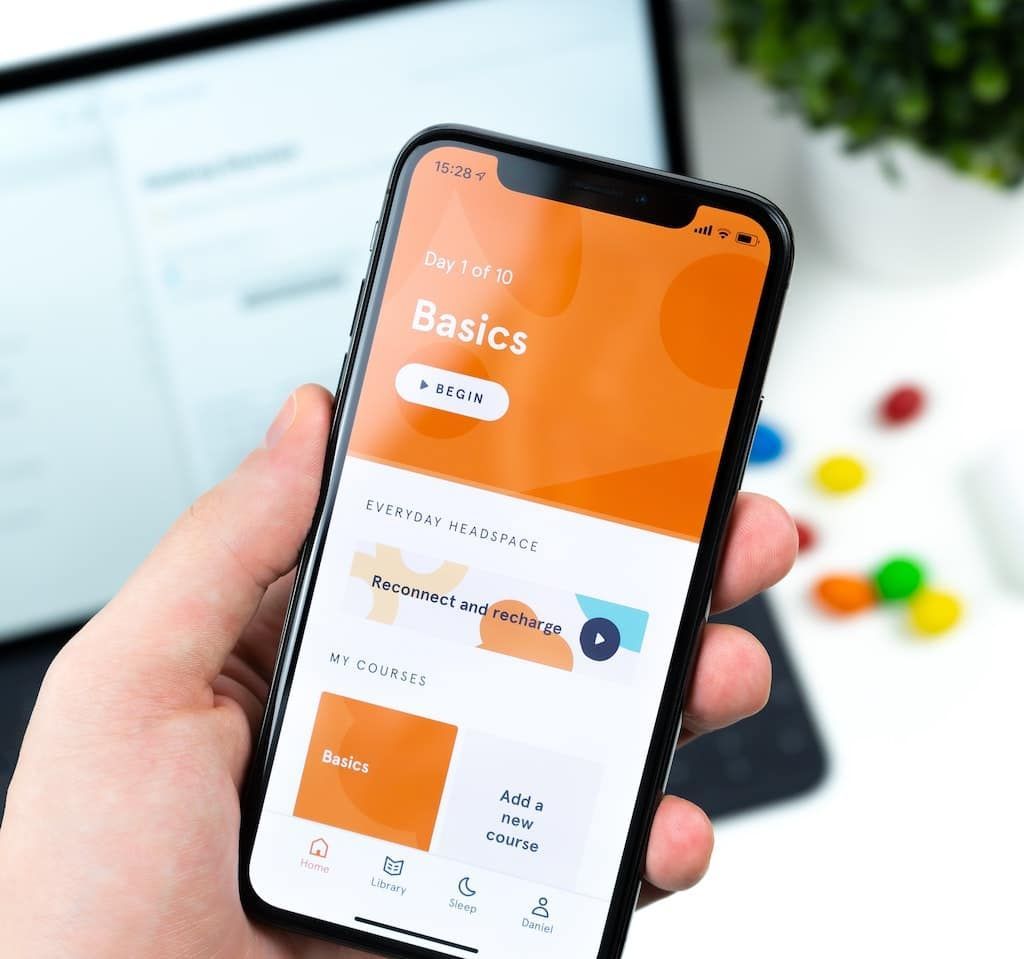
MVP stands for minimum viable product. It is a rough, very basic version of your app.
Do not confuse it with a mockup. It is an elementary version, certainly, but it works and is ready to deliver the foundations.
This is where you need to decide on the minimum version you can give to users so that they find it useful and it can already address their main need. All additional features and designs can be built out later.
The reason you create an MVP is to check how your audience will respond to the core features, without having to make a costly and time-consuming investment upfront.
The truth is that even if you have done all the market research and achieved a product-market fit, your plan could still be overly optimistic when faced with reality.
By releasing an MVP, you avoid building and investing in something that no one will actually use in the real world. And that is what you need most: genuine user feedback.
Development Partnerships

Rather than hiring anyone, you can obviously use an app builder on your own, such as BuildFire, GooBarber, Swiftic, or MobAppCreator. But creating an app this way is not as easy as they advertise, and you also risk feeling frustrated — for example by paying too much for certain features.
So let us find a partner for the journey.
Technical Co-Founder

If you are planning a start-up and do not have much technical experience, the best option — and without doubt the most effective — is to find a technical co-founder. If you have the opportunity to bring one on board, do not hesitate.
First, it is the best financial option, because you are about to build the business together, invest together, and ultimately share the revenue.
This is why a co-founder will probably strive to move things forward as quickly as possible, for as long as necessary, to deliver the best possible results — and what you need most: a well-executed MVP.
Second, the level of commitment will also drive them to push for constant improvements and to seek the most effective ways of building the app.
Do not misunderstand me. You can also find ambitious freelancers, and agencies will obviously deliver excellent work — but this will cost considerably more and you cannot always rely on them to drive things forward.
Remember that no one will ever work on your product as hard as another owner — they will be like a parent watching over their child day after day.
They will likely also handle the scaling process and know how to build your internal development team if necessary. I strongly recommend building one, by the way.
You can find technical co-founders on platforms such as:
Finally, we recommend finding a technical co-founder or a CTO even if you are planning to outsource development to an agency or a freelancer.
In this way, you can transfer development responsibilities to your partner and focus on other crucial parts of the business, as well as the overall strategic direction.
Freelancer

The world is full of freelancers.
The price range is genuinely wide, and junior professionals in some countries are prepared to work for almost nothing. This is obviously tempting, but it is best to avoid it if you want quality work and wish to spare yourself headaches.
Of course, you can also find excellent freelancers — particularly on:
But be wary of proposals starting with "we do everything", or suspicious arguments such as "we have 2,000 developers in our pool".
None of them probably has the slightest understanding of how your business works, what you actually need, or what you should really be doing.
They will simply ask "what to do", do it quickly, and ask for money.
If you have improvement feedback, they will address 10% of it, then ask for more money. If you have too much feedback or ask them again to do what you want, they may simply disappear and never respond again.
This is why we recommend working with freelancers who are experts in a specific niche — masters of their domain or technology, with solid references and clear payment and delivery terms.
Development Agency
If your technical co-founder is the one who will work the hardest, the agency will probably come a close second.
One of the advantages of working with an agency is that once you know you can trust them, you can scale your development resources up and down on demand.
This is also how Team Augmentation works. Whereas general project outsourcing is more about letting people handle all the work, Team Augmentation is about simply hiring developers or teams on demand for a specific piece of work — and that is it.
You have no additional employee responsibilities and can focus entirely on maximising the value of your product, while the team manages itself.
Of course, choosing the right team is another challenge in itself. Go too small, and you will need to retain them and invest in micromanagement. Go too large, and there is a risk they will not put enough effort into your project, as they have bigger, more lucrative ones to deliver.
Choosing the Right Agency

The real problem is that having a "professional look" is far too easy to achieve nowadays.
Today, marketing is more overwhelming and easier to apply than ever. Anyone can go online, create a nice logo for free, then a second free tool will generate a stunning proposal, and another will help send emails to potential clients, and so on.
All of this creates a professional appearance with relatively little effort — sometimes just enough to mask a lack of development skills.
This is why we have put together a series of different points to check across all agencies to avoid falling into the trap.
Chemistry

You will be working together to achieve one of your professional dreams, so it is essential to make a wise choice.
Weighing up the pros and cons may seem a somewhat outdated calculation — and yet…
Of course, you want competent and professional people… but everyone is competent and professional.
In reality, you will probably end up choosing between several people all capable of delivering the same quality of development work. So what you will ultimately be looking for here is a certain "mutual understanding" — not just a skill set.
Mistakes are almost inevitable. You will go through feedback cycles, challenging moments, and more.
Whatever happens, you need to feel comfortable with each other. There needs to be chemistry, so that even when the difficult moments that are bound to come do arrive, you will be able to work through them together.
It sounds like something from a Tony Robbins seminar, but it genuinely is much more enjoyable to work on things with people you like than with someone who makes you feel uneasy.
Do not misunderstand — this is not simply about liking someone. You can like someone who is completely ineffective, and that will not take you where you want to go.
You need to feel that you can count on each other and speak openly.
I strongly recommend trusting your instincts and the chemistry between you. It makes our work so much easier and more enjoyable.
Scope of Work

The "scope of work" is a document listing everything that needs to be done to produce the final result.
Based on this type of document, project management prepares the schedule, the budget, and the resources, with the people involved in execution.
Each task should have a pre-established deadline (with extra time for potential unforeseen delays) and a cost estimate (with additional costs in the event of unforeseen obstacles).
After that, everyone can begin executing their tasks, step by step, through to delivery.
If there are no additional requests, it is entirely possible for the project to meet the deadline — or even be ready ahead of time.
Delivery

It is also good practice to set weekly or monthly objectives that need to be met or reviewed from time to time.
With a solid projection of the work, this is straightforward — but you cannot plan for the unforeseeable.
You set the deadlines and keep them updated with the agency. If something goes wrong or something unforeseen affects the project, you are still able to reorganise the work with minimal impact on the initial scope of work.
With good management, mutual respect, and a professional attitude, your app will be ready.
What Comes Next?

As you know, development is only truly the beginning.
Testing

By giving people access to your app directly, you risk seeing only its "flaws" — notably the many bugs and unflattering comments.
But to make sure you do not damage yourself too badly and avoid the urge to lash out at a user, we recommend running the first round of testing internally, exclusively with your team. You will probably discover a great deal of user experience issues, as well as bugs, on your own.
If you are working with an agency, they will likely handle the testing phase — but to be certain, include this phase in your scope of work.
You can also take advantage of many useful tools, such as UserTesting or UberTesters.
Going Live

After that, your app is ready to venture out into the real world.
Nevertheless, before going live, you need to review the guidelines established by Android and Apple — and again, the agency should take care of this for you, and again, include it in your plan just in case.
Once that is sorted, the time has finally come. You have done it! Your app is ready to meet the market.
Promotion

There are a few questions you need to think through from a sales and marketing perspective.
- How will you promote your app?
- How will you respond to your future users' questions?
You should also think about marketing techniques — such as having a blog that addresses your users' problems, or how you will manage email marketing if you decide to pursue it.
Learn from your competitors:
- What channels do they use to promote their apps?
- Could you perhaps work with influencers?
- How will you encourage people to leave you positive reviews?
When developing your marketing strategy, think about both online and offline marketing.
Using Analytics (Retention, Boosting Users)
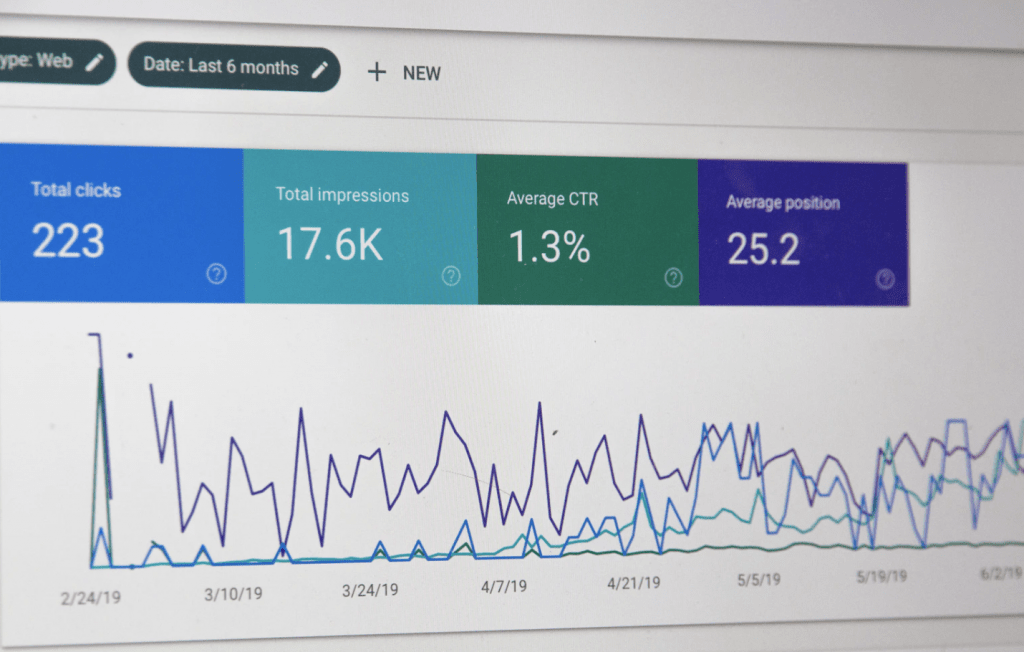
If you are setting up your app's website for the long term, take into account the data you can collect.
Your analytics will provide a wealth of information on how many people are using your app and where they are coming from.
You can find many tools that will help you analyse the exact behaviour of your visitors. Based on this, you will have more information on what users are doing with your app and how to boost engagement.
Gather Even More Feedback

The customer is always right from a business perspective. Full stop. You may dislike it, but you have to accept it.
Do not get angry or feel disheartened if someone genuinely dislikes what you have done.
Learn from it instead.
Hide your emotions and be professional. Treat feedback as an opportunity to improve things and evolve.
Provide a feedback platform so you can understand what your users want.
People are willing to forgive if you are willing to fix things and make them even better.
On the other side, you will also encounter unpleasant people who do nothing but harass — so remember to exercise your own judgement.
You simply cannot make everyone happy. Accept that.
To Close
As you can see, creating an app is only one part of the business-building process.
You might tell yourself that once you have physically built it, everything else will follow and people will love and use it.
I would suggest being more prepared to constantly fight for customers — seeking out new ones whilst improving the experience for those you already have.
The truth is that the moment you create your app is only the beginning of something much bigger: a business.
And to ensure the success of your app, you will need to devote a great deal of time to business development.
In many cases, it is a wonderful adventure — one that lasts a lifetime.
Freely translated from English: PagePro