
What is headless e-commerce?
At its core, anything described as "headless" in web development refers to the separation of the front-end and back-end of an application. For e-commerce, it is exactly the same principle.
This allows developers to make changes to the front-end and back-end independently, so that a modification in one place does not affect the other's functionality.
But what does this actually mean for your e-commerce business?
To understand how to respond effectively to consumer demands and deliver progressive solutions, let's explore headless e-commerce and see how it can impact your business.
Advantages and disadvantages of headless e-commerce
If you want to offer truly out-of-the-box services and continue experimenting with new ideas, this is the ideal solution.
That said, it is somewhat easier for businesses that already have a dedicated IT team to adopt this model. It may require significant changes and ongoing development support to unlock its full potential and truly stand out from the crowd.
The advantages of headless e-commerce
If you are considering switching to headless e-commerce, you will likely appreciate the following benefits.
- Unlimited experience personalisation: unlike other e-commerce resources, you are not limited to certain templates and themes. It gives you complete freedom to customise the front-end according to your own needs. It lets you introduce creative changes without any restrictions.
- The ability to go fully omnichannel: the best part of headless e-commerce is that it allows you to publish across all channels.
- Rapid creation of additional landing pages: being decoupled from the back-end for all front-end changes, it allows you to be creative and make UX/UI modifications instantly.
- Employee adoption: since it is split into two parts, it is easier for employees to understand the system and adapt to new changes. This technology also has no steep learning curve, so it can be very beneficial for your team as well.
- Easy front-end development: on a traditional e-commerce site, the IT team is usually responsible for all front-end changes. This increases the team's workload and causes delays. In the case of headless e-commerce, the front-end developer can easily take the lead on the work.
- Time saving: because it has separate modules for the front-end and back-end, non-developers can easily make the required UX/UI changes. This will certainly reduce pressure on the IT team. In other words, things can be managed in a more organised way without losing much time.
- Marketing uplift: the headless e-commerce architecture makes it easy to stay up to date with the latest market trends and quickly adopt new features or interesting tools. Make front-end changes instantly, then plan the back-end development budget accordingly, while remaining ahead of new trends.
Any business that cares about the customer relationship and wishes to add value to their customer experience should consider switching to this architecture, as it allows them to add more distinction to their business.
The disadvantages of headless e-commerce
Whenever you encounter something positive, something negative tends to follow close behind.
Here are a few points I consider to be limitations of headless e-commerce.
- Development and management: the downside of flexibility is that there will be ongoing management. For this, you will need a dedicated person with sufficient skills to handle all changes thoroughly.
- Ongoing cost: since headless does not provide built-in homepages and you must build your own front-end, regular changes will be required. And of course, you need to hire someone to do the work.
- Limited native functionality: in headless e-commerce, functionality is limited to the CMS you are using. You must confirm whether your CMS allows plugins or third-party tools. This helps you understand what features can be incorporated later.
The impact of headless e-commerce on customers
Let's talk about customers.
This architecture not only has advantages for developers — it is capable of improving the customer experience. And, as a result: your business.
Rich user experience
With this architecture, businesses can become more creative with their experimental designs, and changes can also take place quickly. It also ensures that the website works seamlessly across all devices and formats.
Instant changes
The main advantage of this architecture is that all changes take place instantly. As soon as a developer makes modifications on the front-end, the user will be able to see the result. This also means that marketing strategies can be upgraded in line with user interactions.
Flexibility and speed
Since the front-end and back-end modules are headless, this makes things faster and more flexible. You can easily modify the content presentation layer without adjusting the presentation layer itself.
In a headless solution, front-end design is a separate chapter. You can easily work around the user experience without putting any effort into back-end functionality.
Personalisation
When it comes to retail businesses, the primary focus is personalisation. Everyone is trying to deliver value-driven services so that customers feel special and truly valued.
Popular headless e-commerce technologies
We can easily see the trend of businesses moving towards headless e-commerce. Thanks to its wide-ranging advantages, here is a list of some technologies you can use to make the most of this type of architecture.
Shopify

This is probably the most popular e-commerce platform, with a comprehensive dashboard for managing all your business activities. It allows merchants to create functionality perfectly tailored to their sector.
SnipCart

An e-commerce solution that lets you add shopping basket functionality to any website and turn it into a store. This integration allows you to manage things easily through email generalisation and personalisation.
BigCommerce

This SaaS e-commerce platform provides API-driven experiences while acting as a plugin to deliver a headless architecture for WordPress. BigCommerce can be paired with many other technologies to achieve useful results.
Apicart

This is also an ideal headless commerce solution. It offers API-based components to serve different purposes. This solution is ideal for businesses dealing with a limited number of products.
Crystallize

Crystallize allows you to create your own bespoke e-commerce experience. It provides you with a solid back-end combined with rich content. Since Crystallize is event-driven, you can update the website interface quite easily.
Popular companies using headless e-commerce
Burrow
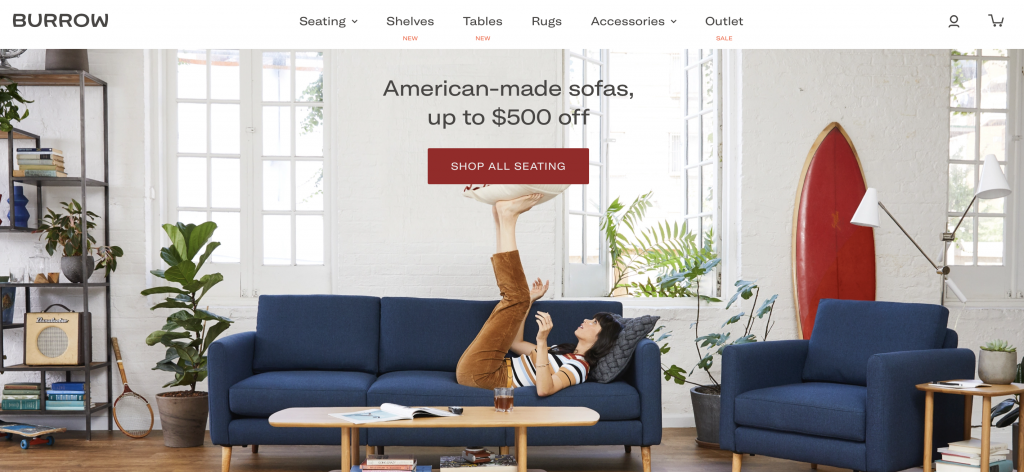
This furniture brand has created a custom interface that aligns completely with its customers and the nature of the products it sells online.
LARQ
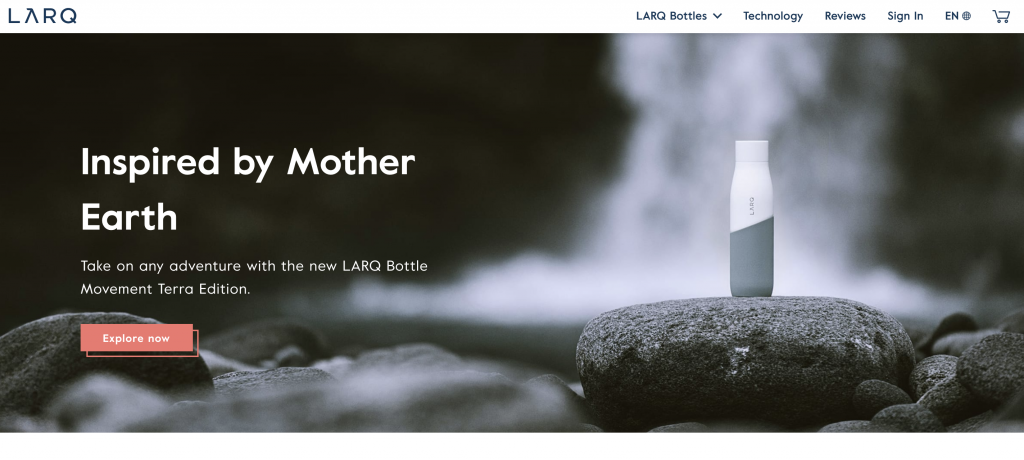
This website sells self-purifying water bottles. It is also a perfect example of headless e-commerce, combining BigCommerce with a custom interface built using React.
CANVAS 1893
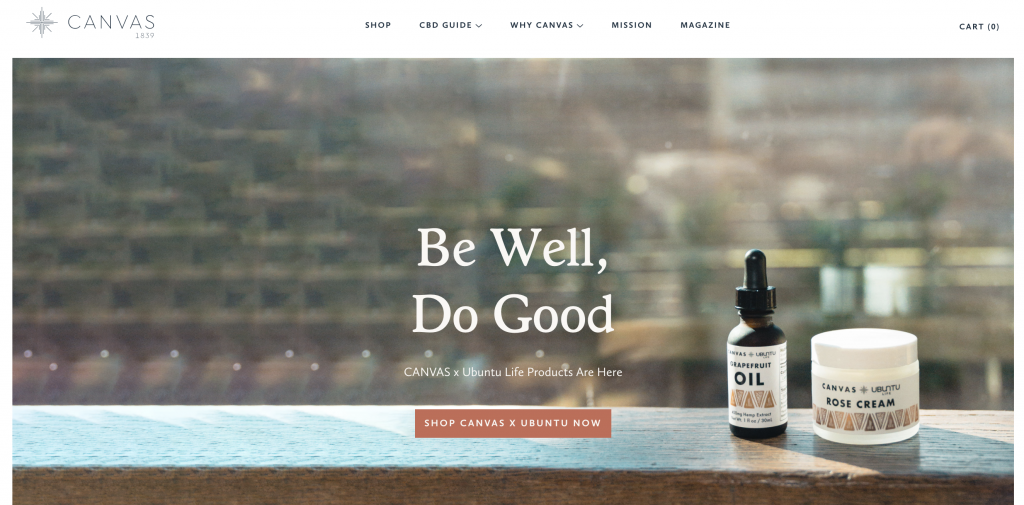
This is an Australia-based business dealing in CBD oils and lotions. They have incorporated Gatsby and BigCommerce into their online shop. It is accessible on both desktop computers and mobile devices.
To conclude
When it comes to technology, the only constant is change.
Those who keep up with the latest developments and make use of them regularly are certainly the ones who will win in the long run.