
Launching an e-commerce site is no small undertaking. There are many elements to consider in order to convince your customers, choices to make, and compromises between what you want and what you can realistically afford at the outset.
We have therefore put together a list of several elements that customers love to find on an e-commerce site. This list is not necessarily exhaustive, but it provides as comprehensive an overview as possible, divided into 5 parts — from design through to after-sales functions, covering product pages and your communication strategy along the way.
We hope it will help you take stock of where you stand, and perhaps even give you a few ideas to optimise your existing or future e-commerce site!

I. Design:
Good design is essential to the success of your e-commerce site. It is estimated that an internet user decides in under 5 seconds whether they like a site. Five seconds is a very short time — barely enough for a single glance. The visual aspect of your site must be impeccable and attractive to potential customers if you want to convert them.
And even after those 5 seconds, even if the user decides to explore further, they may still leave at the first visual misstep.
Several elements are worth bearing in mind here:
1. Use HD photos and/or videos of your products
Poor-quality photos will not allow visitors to get a proper sense of your products or form an opinion of them. What is more, low image quality can give the impression of an unprofessional, unreliable site.
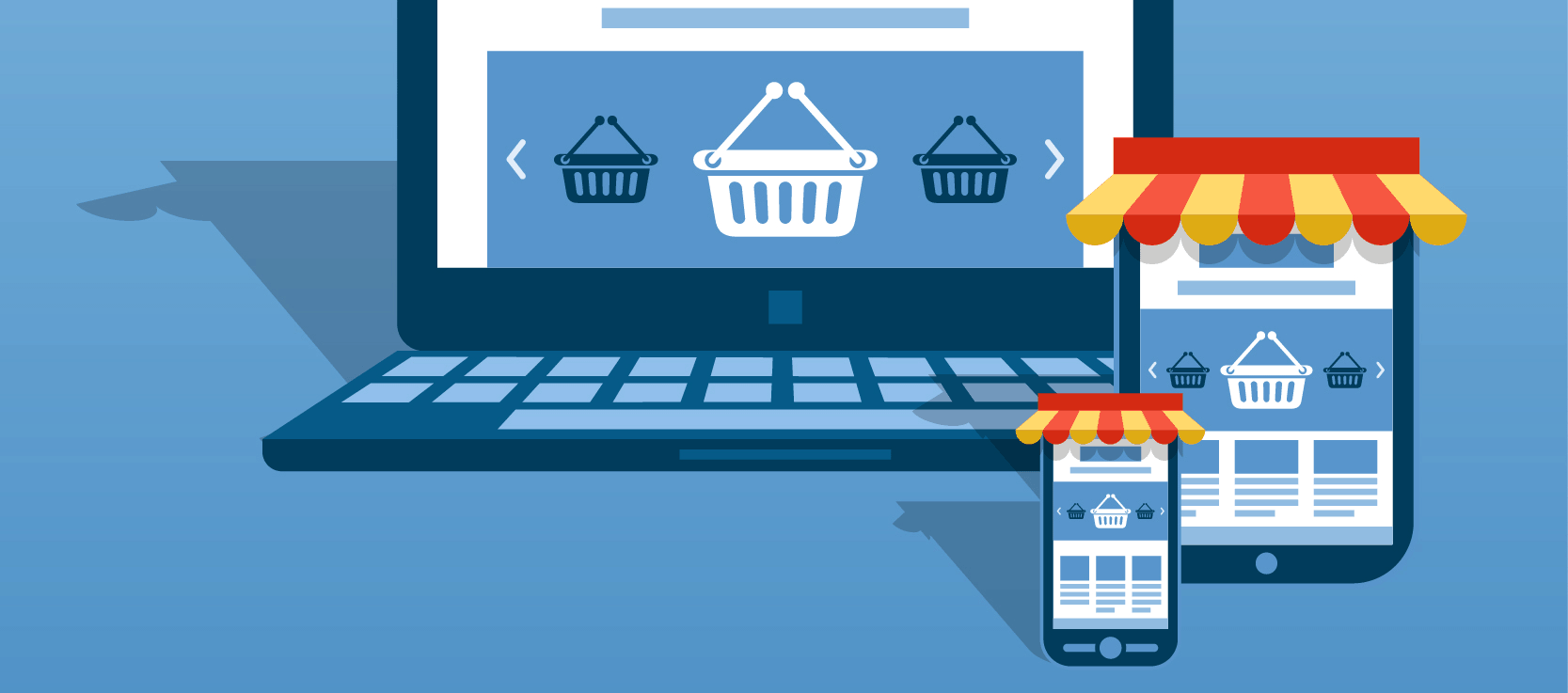
2. Build a responsive site
There is a strong chance that more than half of your visitors will browse your site on a smartphone. The site's design must therefore adapt to all screen sizes to ensure a good user experience.
3. Keep the design simple and navigation intuitive
The faster a user can find the product they are looking for, the greater your chances of turning them into a customer.
4. Pages must load quickly
Following the same logic as the 15-second rule, a site that is too slow to load will drive visitors away. If they feel that a page is not appearing quickly enough, they may leave the site before having seen anything at all.

II. Building trust:
Once a visitor is on your site and satisfied with what they see, think about reassuring them. They may not be familiar with your brand or how your offering works.
Several elements can help explain what to expect and put them at ease:
5. Create an FAQ page
An FAQ (Frequently Asked Questions) page will pre-emptively answer the questions they may have: how the site works, payment methods, delivery times, and so on. Anticipate their needs by giving them access to the answers they are likely to look for.
6. Explain your returns policy
Your returns policy can also be incorporated into the FAQ. What happens if the user buys the wrong product (wrong size, etc.), if the product arrives damaged, or if the customer wants to cancel their order? Clearly explaining each scenario and the solutions you will provide goes a long way towards reassuring visitors.
7. Secure your site
Online security is increasingly important to internet users, particularly on a site where they will be making a purchase and potentially entering their banking details. Add an SSL certificate, use a secure online payment module, and detail your privacy policy to make it clear that no customer data will be shared with third parties.
8. Remain easily contactable
Place a contact form in strategic locations. Users must be able to find it easily.
In addition, try to offer as many contact methods as possible: by email, by telephone, and via the online form.
9. Be transparent
This point may seem obvious, but it is always worth stating. Do not play with words or hide any potential additional charges.
Announce delivery costs clearly — depending on the chosen delivery method — as early as possible in the process. A user who discovers relatively high shipping fees at the point of checkout may feel misled and abandon their purchase.

III. The social dimension:
This may not be the first thing that springs to mind when you think about your future e-commerce site. Yet the social dimension can be decisive to its success.
10. Display customer reviews online
A study has recently demonstrated that online customer reviews are essential for a local business. It is hard to doubt that the same applies to e-commerce.
Showing customer reviews on the relevant product pages will prove to new visitors that you are a serious site and will make your offering tangible.
One might think that negative reviews would be a real problem. In fact, quite the contrary. A handful of negative reviews proves that the reviews you display are genuine — not censored, not formatted, and not fabricated. Whereas an abundance of reviews praising your exceptional service can make users suspicious ("it's too good to be true, these must be fake comments"), mixed reviews make the overall body of reviews feel more authentic.
11. Be present on social media
Brands that connect with users on a non-commercial level build trust and authenticity in their eyes.
This opportunity to bond with your audience has never been easier than through social media.
If it is not the very first step in creating your e-commerce site, you may want to start as early as possible in order to see results sooner.
IV. The offering:
To convince users on your e-commerce site, the core element will always be your offering and the way you present it. Pay particular attention to your product pages, and keep the site dynamic with new offers.
12. Provide detailed product sheets
This is perhaps the most important element on your site. Your product sheets do not merely present your offering — they also act as your salesperson. Yet they are often overlooked, and that is a mistake for a small business just as much as for an SME launching into e-commerce.
Make sure that users have all the information they need on your product pages — dimensions, textures, flavours, battery life, and so on, depending on what you sell — so they have everything they need to make a decision. Avoid copying and pasting the same description across all your products; show visitors that you have taken care to present at least each range individually.
13. Offer multiple payment and delivery options
The bank card is the most widely used payment method online, but that does not mean you should limit yourself to that option — and above all, limit your customers. Offer as many methods as possible: PayPal, digital wallets, or even cheques! You might be surprised by the number of people who prefer to pay by cheque to avoid sharing their banking details online.
The same applies to delivery. Give users the choice.
14. Think about "linking" your products
"You liked this product — you might also like this one." This section is quite popular in the world of e-commerce, and for good reason: it is an excellent way to encourage users to explore further and discover your other products. Do not miss out on this opportunity.
15. Implement a wishlist
Some customers may be interested in one of your products without being able or willing to buy it immediately.
A wishlist will allow them to save a product with just a few clicks and quickly find it again when they are ready to purchase. It makes life easier for your users and increases your chances of making a sale. In a word, it is a win-win for everyone.
16. Create special offers
On the occasion of a new product launch, for the sales, festivities, or even for no particular reason, keep your e-commerce site lively with discounts and special offers — 10% off a given product, above a certain purchase amount, bundle deals, buy one get one free. The possibilities are numerous and allow you to highlight certain products for a limited time. And it is obviously a perfect opportunity to incentivise purchases.
17. Think about your physical shop
If you also sell in a physical shop, specify on the site which products users can find there. The boundaries between digital and physical are increasingly blurred. People research online and buy in store, and vice versa. Some customers may browse your site and then complete their purchase in your shop. Make it as easy as possible for them to take that step.
V. After-sales:
Selling is the essential purpose of your site. But after-sales represents an equally important part. The way you treat your customers can make them loyal, or conversely, dissuade them from returning to you later. Think about reassuring and putting your customers at ease just as much after a purchase as before. In short, convincing your customers to buy from you is an excellent thing; convincing them to come back is even better!
18. Request account creation
A tactic that can help increase the number of sales is to offer account creation after the purchase, not before.
Before the purchase, filling in registration fields can feel like a chore and may put off hesitant users.
On the other hand, by offering account creation after the purchase, the experience can feel quite different. By that point, the customer has already paid. Signing up then feels reassuring: if I register, I will be able to track my parcel more easily. In the worst case, the person simply relies on emails to track their order; but the registration process will not have discouraged them from buying in the first place.
19. Keep customers informed by email about their orders
As a way of reassuring the customer and encouraging them to return to you, you can set up automated emails — more or less detailed and more or less frequent depending on your goals and capabilities. These might include, for example:
- an order confirmation email (with the digital invoice)
- a dispatch confirmation email (with a tracking number, where applicable)
- an email a week or two later to check that everything went smoothly
- an email 2 to 3 months after an order with no repeat purchase, including a promotional code to encourage another purchase
These 19 points, divided into 5 parts, are intended to help you keep a few essential elements in mind when creating, redesigning, or managing your e-commerce site. We hope they will also inspire you and give you some ideas.